Blog ·
Garden Design Principles for Residential Landscapes
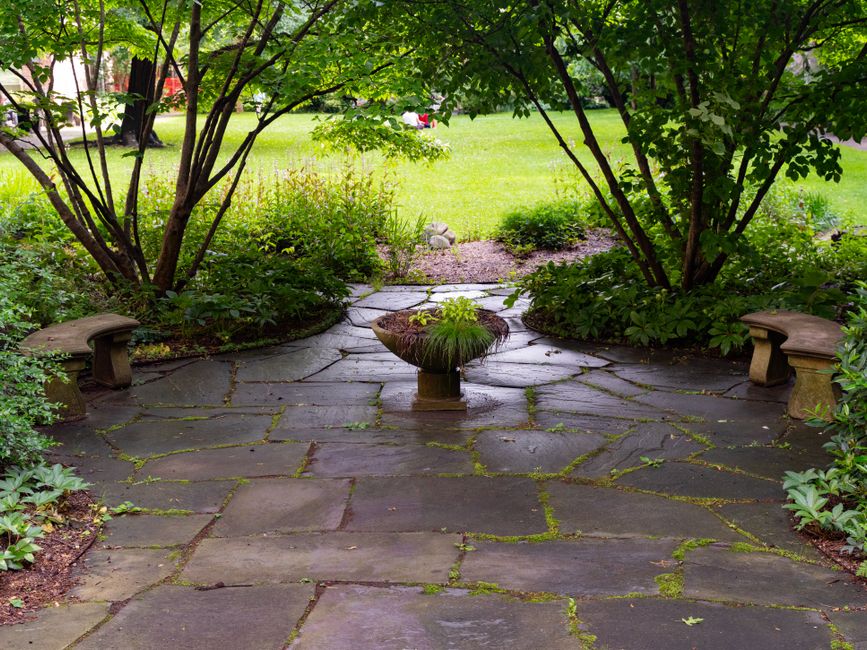
Creating a beautiful garden requires more than selecting attractive plants and arranging them randomly throughout your landscape. A well-designed garden incorporates principles that unify your outdoor space, create visual interest, and ensure plants thrive in their designated locations. Understanding these design fundamentals helps you make intentional choices that enhance your property's overall appeal and functionality.
Balance and Color Harmony
Balance in garden design doesn't require perfect symmetry. Asymmetrical balance creates visual interest while maintaining harmony. This approach places plants and hardscape elements strategically so that one side of your garden feels equally weighted to the other, even if the elements differ. This technique feels more natural and modern compared to mirror-image designs.
Color harmony guides plant selection and seasonal interest. A cohesive color scheme creates a unified appearance rather than a chaotic mixture of random colors. Consider how colors interact through the seasons. Spring bulbs, summer bloomers, and fall foliage should work together rather than compete for attention. Repeating colors throughout your garden creates rhythm and guides the eye through your outdoor space.
Focal Points and Texture
Focal points draw attention and provide anchors within larger landscapes. These might be architectural features, specimen plants, water features, or sitting areas. Every garden benefits from at least one strong focal point that provides visual purpose and destination. Without clear focal points, gardens can feel unfocused and lacking intentional design.
Texture creates depth and prevents monotony. Combining plants with different leaf sizes, forms, and surface qualities adds sophistication. Contrast smooth stones against delicate ferns, bold ornamental grasses beside fine-textured groundcovers. This textural variety maintains visual interest even when the color palette remains restrained.
Space and Microclimates
Space management determines whether your garden feels open and inviting or cramped and overwhelming. Proper plant spacing at maturity, generous pathways, and open areas for movement make gardens more functional and enjoyable. Undersized plantings that lack definition feel sparse initially, while overcrowded designs become maintenance-intensive problems within a few seasons.
Understanding microclimates within your property ensures plants receive appropriate conditions. Shaded areas beneath established trees differ dramatically from sunny southern exposures. Slopes drain faster than flat ground. Recognition of these variations prevents planting disappointments and reduces ongoing care requirements.
Hardscape and Professional Design
Hardscape elements—pathways, patios, raised beds, and decorative stones—provide structure and define garden rooms. These features serve functional purposes while contributing to overall design aesthetics. Quality hardscaping creates permanence and establishes the framework within which plantings develop.
Professional garden designers assess your specific site conditions, architectural style, personal preferences, and maintenance capabilities. They create cohesive designs that balance beauty with practicality, ensuring your garden thrives while reflecting your vision for your outdoor space.