Blog ·
Preparing Your Lawn for Spring Growth
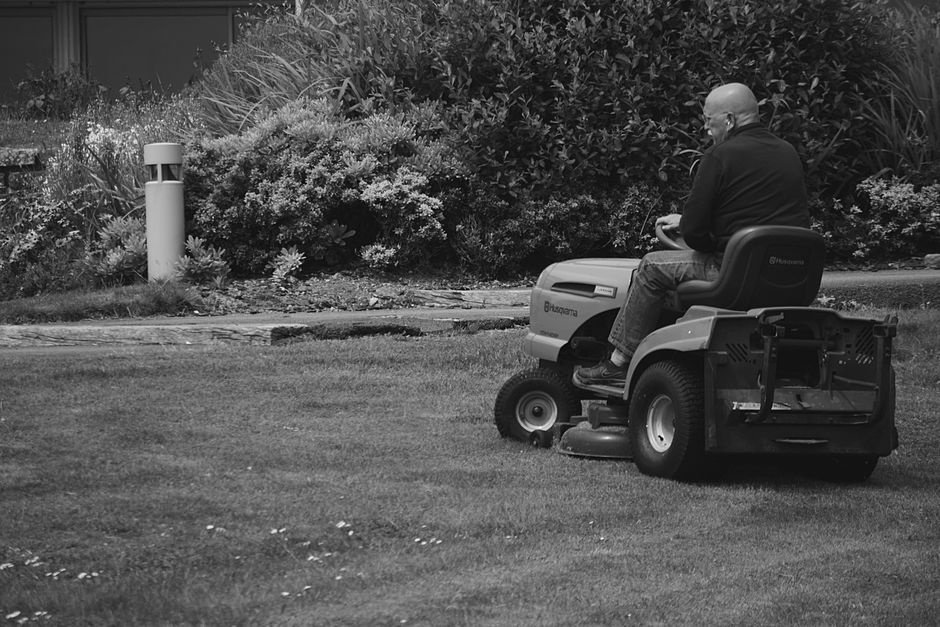
Spring represents the perfect opportunity to revitalize your lawn after the dormancy of winter. A well-planned spring preparation sets the foundation for lush, healthy grass throughout the growing season. Understanding the steps involved in getting your lawn ready can transform your outdoor space and reduce maintenance challenges later in the year.
Assessing Your Lawn's Condition
The first step in spring lawn preparation is a thorough assessment of your turf's condition. Look for bare patches, compacted soil, and areas where thatch has accumulated. These problem areas indicate where you'll need to focus your attention. Walking your entire property helps you identify variations in soil drainage, sunlight exposure, and existing plant health. This assessment guides all subsequent decisions about seeding, fertilization, and treatments.
Aeration for Root Health
Aeration is a critical spring task that many homeowners overlook. This process involves perforating the soil to allow air, water, and nutrients to penetrate deeper, reaching the grass roots. Compacted soil prevents water from moving through effectively, leading to shallow root systems and drought-vulnerable lawns. Professional aeration equipment creates optimal conditions for new growth and improves the overall health of your turf significantly.
Overseeding and Fertilization
Overseeding fills in bare spots and strengthens your lawn's density. After aeration, the soil is primed to receive new seed. Selecting grass species suited to your climate and your lawn's specific conditions ensures better germination and establishment. Spring provides the ideal temperature window for seed germination and root development before summer heat stress arrives.
Proper fertilization in spring jump-starts growth without promoting excessive blade development that makes mowing more frequent. A balanced approach with spring-specific formulations supports both shoot and root development. Timing your fertilizer application just as grass begins active growth maximizes nutrient uptake and reduces the risk of nutrient runoff.
Thatch and Weed Management
Thatch removal becomes necessary when more than half an inch of dead organic material accumulates on your soil surface. This layer blocks water penetration and harbors disease. Spring dethatching exposes the soil to air and light, promoting decomposition and healthy new growth.
Weed prevention begins in spring before weeds germinate. Pre-emergent treatments applied before soil temperatures consistently reach specific thresholds prevent many common weeds from establishing. Combined with proper lawn density from overseeding and aeration, your lawn can compete more effectively against weeds throughout the season.
Professional Support for Success
Professional landscape experts can assess your specific lawn's needs and create a customized spring plan. Rather than applying generic approaches, they evaluate your soil composition, grass type, climate patterns, and property-specific conditions. This tailored strategy produces superior results compared to standard maintenance routines.
Starting your spring lawn care early, before your grass breaks dormancy, gives you the advantage of timing. By addressing compaction, bare spots, and potential disease issues now, you establish a strong foundation for a beautiful lawn throughout the year ahead.